News

How is the elastic leather market developing?

2025-12-23 0 Leave me a message

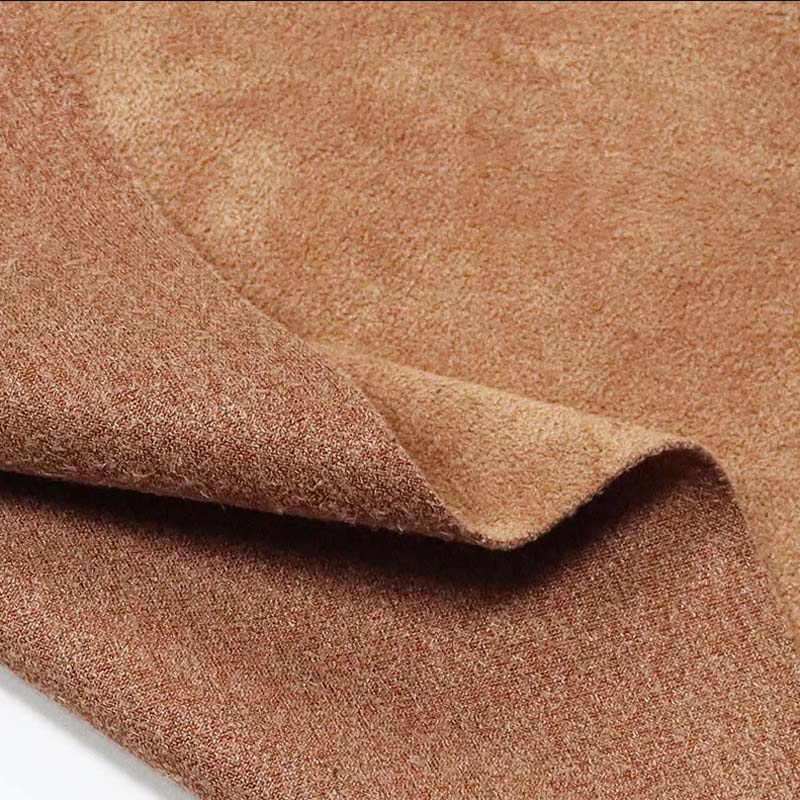
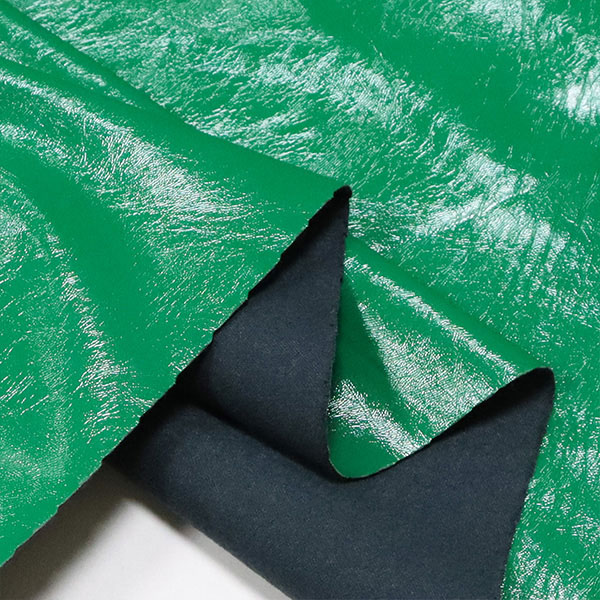
In recent years, the elastic leather market has undergone significant changes, thanks to the development of new technologies and the widespread application of elastic leather in various industries. Modern manufacturers like 2-Stripe Elastic Leather Factory are constantly introducing innovative technologies, making elastic leather more flexible and durable. New materials that mimic natural leather and possess superior performance are also emerging. Due to growing environmental concerns, many companies are also seeking to use sustainable materials, further driving market growth. This article will explore the main trends and prospects of the industry, as well as the key factors determining success for companies in this rapidly changing sector.

Technological Innovation in Production

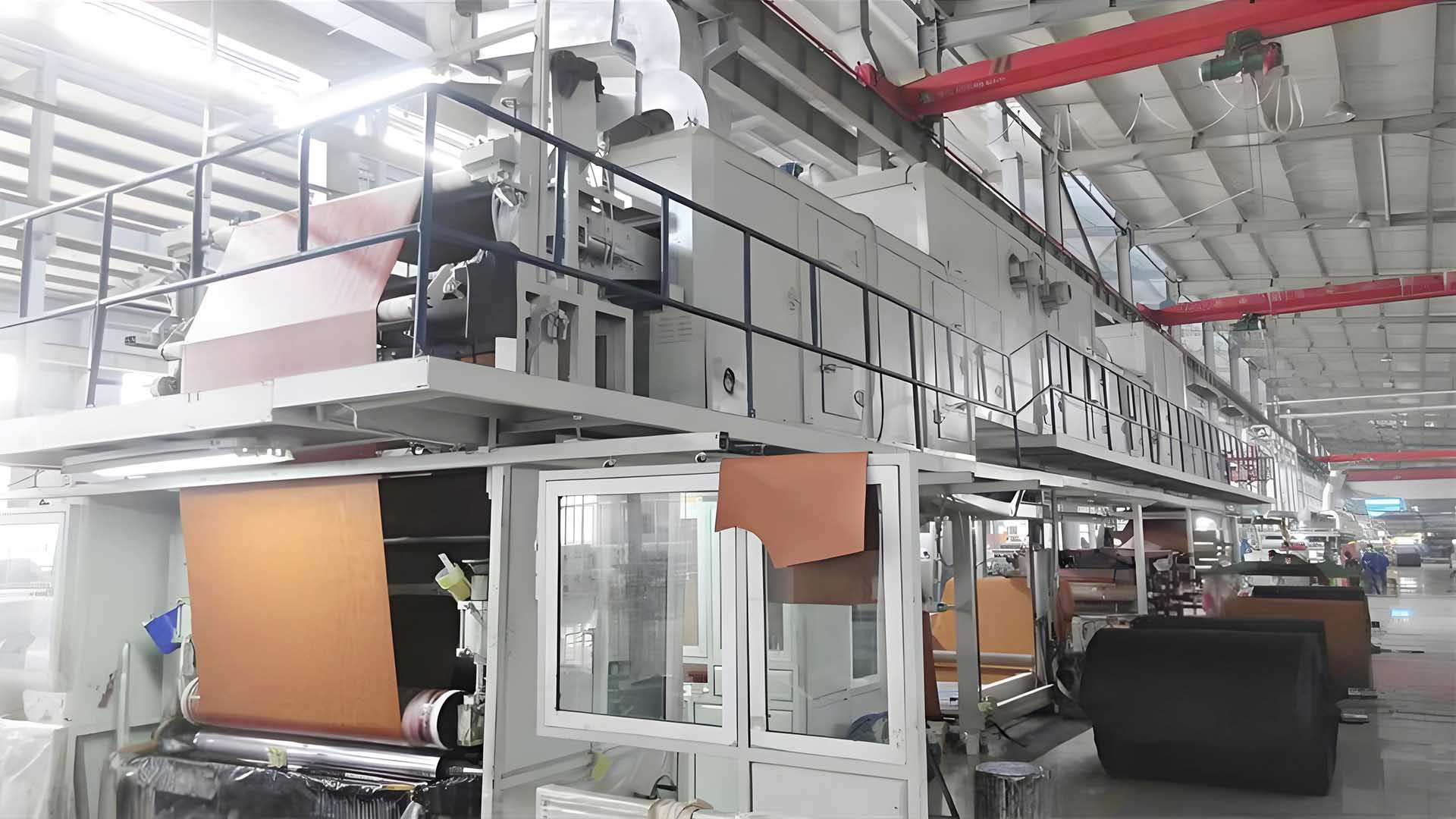
Technological innovation is one of the key drivers of the elastic leather market's development. Modern technologies enable the production of materials that not only mimic the appearance and texture of genuine leather but also surpass it in many characteristics. Thanks to special processing techniques and new chemical compositions, the moisture resistance, UV resistance, and extreme temperature resistance of elastic leather have been significantly improved. 2-Stripe Elastic Leather Factory actively utilizes various technologies to reduce resource consumption and minimize waste. This not only improves product quality but also lowers production costs.


The development of new polymer materials has significantly increased the strength and durability of elastic leather. In recent years, the application of nanotechnology has improved the performance of materials used in production. Nanomaterials, while maintaining the necessary rigidity, also provide high flexibility and elasticity, which is crucial for the furniture and automotive industries. Many companies are actively investing in research and development to maintain market competitiveness.


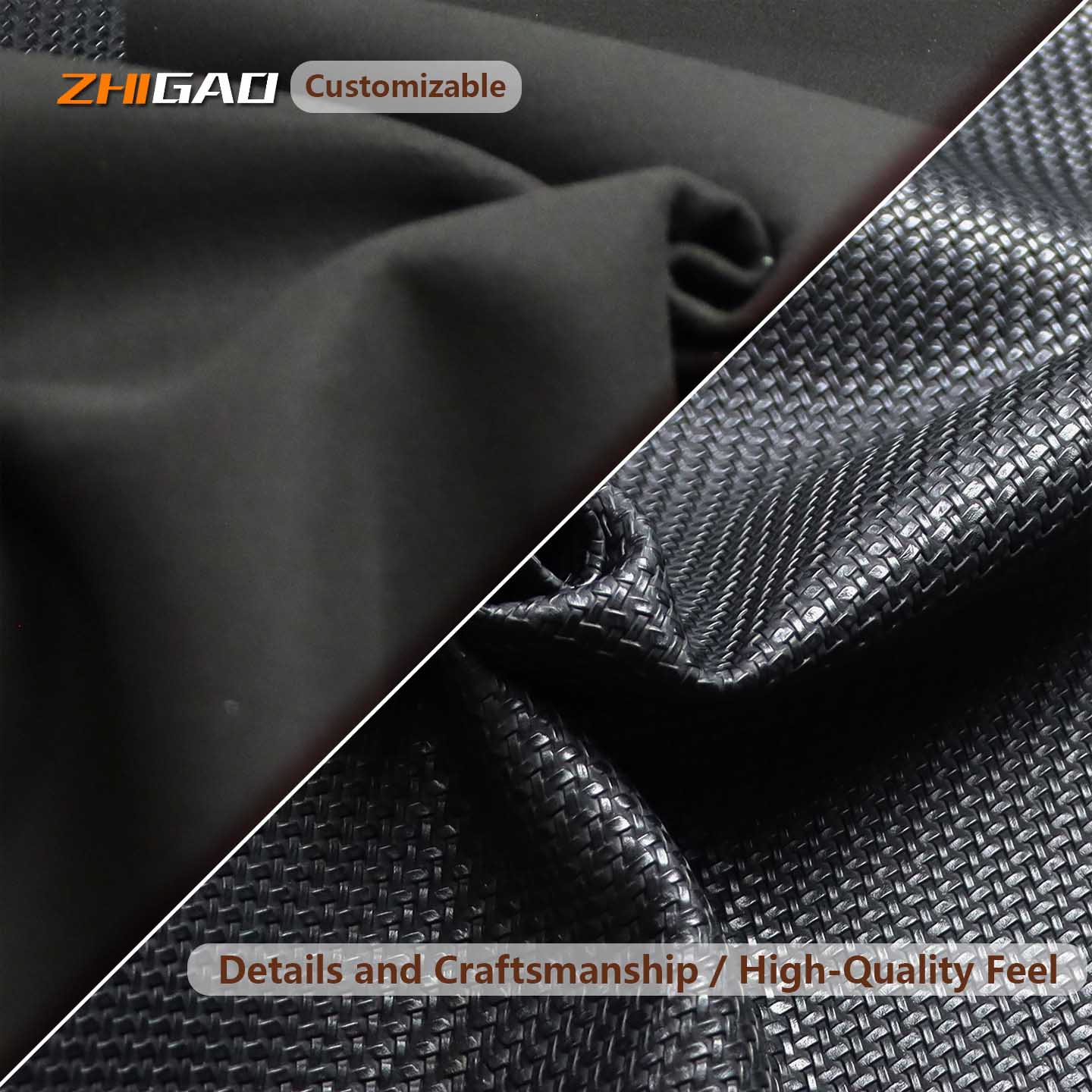
The application of 3D printing technology in elastic leather production opens up new possibilities for product customization. It allows for the creation of unique textures and patterns, meeting the growing demand for personalization. Furthermore, the market is witnessing the integration of smart technologies, such as sensors and electronic components, into materials. This has led to the creation of multifunctional products that can change shape and properties depending on usage conditions.

Manufacturers' Environmental Responsibility

Given the growing concern about the environmental impact of manufacturing, companies are being forced to rethink their production processes. Elastic leather manufacturers like 2-Stripe Elastic Leather Factory are committed to sustainable production, striving to minimize their environmental impact. This is reflected in their use of recycled materials, new environmentally friendly chemicals, and renewable energy sources. Consumers today are increasingly concerned about the environmental impact of products, driving the demand for sustainable solutions.


A key trend is the use of renewable raw materials. This not only minimizes the environmental impact but also creates a more sustainable supply chain. This allows businesses to better manage resources and respond to ever-changing market demands.


Increasingly stringent environmental legislation is also driving companies to implement more sustainable practices. Businesses are investing in new clean production systems and developing zero-waste technologies. Waste treatment and material recycling are becoming industry standards. This creates favorable conditions for the growth of companies that can flexibly adapt to environmental requirements.

Expanding the Applications of Elastic Leather

Elastic leather is finding increasingly widespread applications across various industries. The automotive industry is actively adopting this material for car interiors. Elastic leather's high wear resistance and resistance to external factors make it an ideal choice for automotive interiors. In the furniture sector, this material is often used to create comfortable and durable furniture that easily adapts to various design schemes.


The fashion and accessories sector also widely utilizes elastic leather. Thanks to its unique properties, this material allows designers to create clothing and accessories that are both stylish and practical. Elastic leather's wrinkle resistance and ease of care make it a preferred choice for many brands.


The medical and sports industries are also actively incorporating elastic leather into their products. In the medical field, this material is used in the manufacture of physiotherapy equipment due to its low allergenicity and comfort. In the sports industry, elastic leather is used to create equipment that supports athletes and enhances their performance.

Changing Consumer Preferences

Consumer preferences are changing, which has a significant impact on the elastic leather market. Modern consumers seek products that align with their environmental and ethical values. They desire high-quality, durable products made from sustainable materials. This is leading to increased competition among manufacturers and driving innovation.


More and more consumers are choosing products that can be customized to their needs. Elastic leather, with its rich variety of colors and textures, is ideal for creating unique products. This attracts not only individual buyers but also large companies that want to offer exclusive solutions to their clients.


Online platforms play a crucial role in promoting and selling elastic leather products. Through online stores, consumers can browse a wide range of products, access detailed production information, and make informed choices. This helps build consumer confidence and strengthens trust in brands that openly share their environmental initiatives.

Future Discoveries and Trends

The elastic leather market continues to grow, and more innovations are expected in the future. Research in nanotechnology and biomaterials is opening up new opportunities for developing more advanced products. Synthetic biology promises to revolutionize manufacturing, providing environmentally friendly alternatives to traditional materials. The application of artificial intelligence and machine learning technologies in the research, development, and manufacturing processes can significantly improve the efficiency and accuracy of new material development. This will shorten production times, reduce costs, and ultimately lower consumer prices. Large manufacturers are likely to increasingly adopt this approach.


Customer interaction will become a key component of corporate strategy. By responding to consumer needs, manufacturers can provide products that perfectly meet their expectations. Giving customers the opportunity to participate in the development and testing of new products will increase customer loyalty and contribute to the long-term success of the company.


Related News
Leave me a message
X
We use cookies to offer you a better browsing experience, analyze site traffic and personalize content. By using this site, you agree to our use of cookies. Privacy Policy
Reject Accept