News

What Is Silicone Leather and Why Is It Replacing Animal Hides?

2026-03-05 0 Leave me a message

The global materials industry is undergoing one of its most significant transformations in decades. Silicone Leather has emerged as a technically advanced, environmentally responsible alternative that is actively reshaping how manufacturers, designers, and brands think about surface materials. From automotive interiors and luxury handbags to medical upholstery and sportswear, this innovative material is gaining ground across virtually every sector that once relied exclusively on animal hides.


At DONGGUAN ZHIGAO LEATHER CO., LTD, our focus has always been on developing materials that meet the demands of modern industry without compromising on quality, safety, or sustainability. Our Silicone Leather is engineered to replicate the look and tactile feel of genuine leather while delivering a range of performance advantages that traditional animal hides simply cannot match. This article explores what this material is, how it is made, where it excels, and why forward-thinking companies around the world are making the switch.


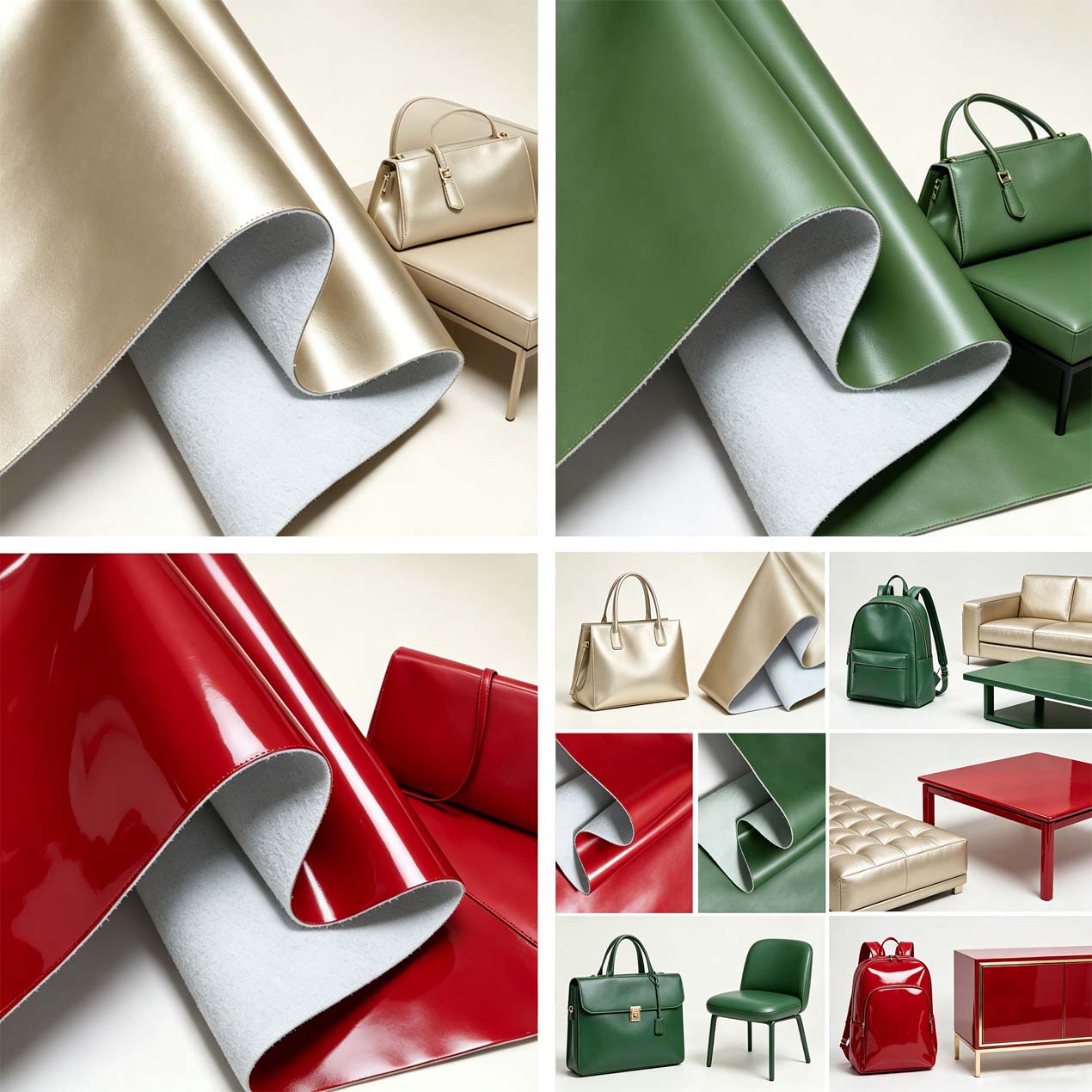
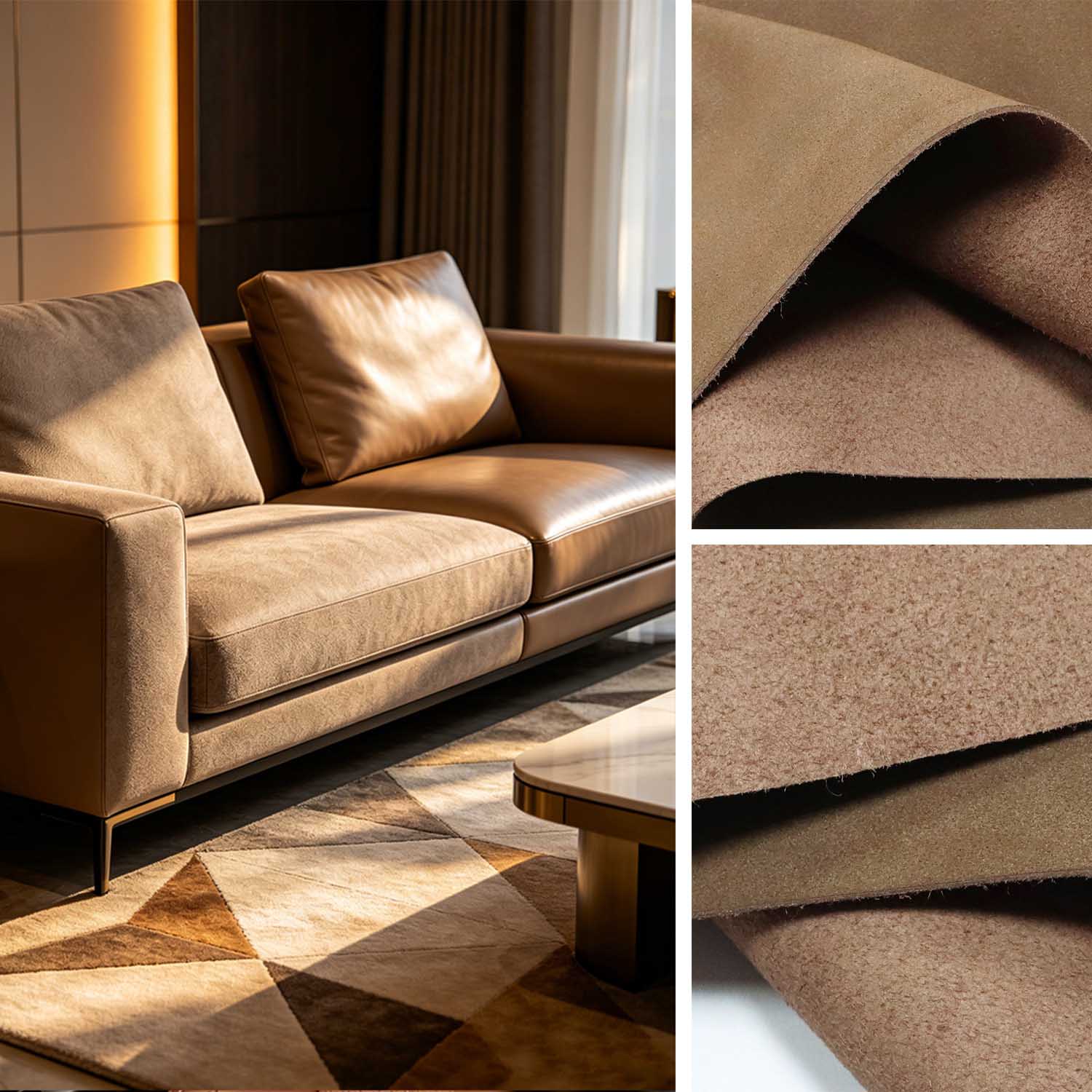
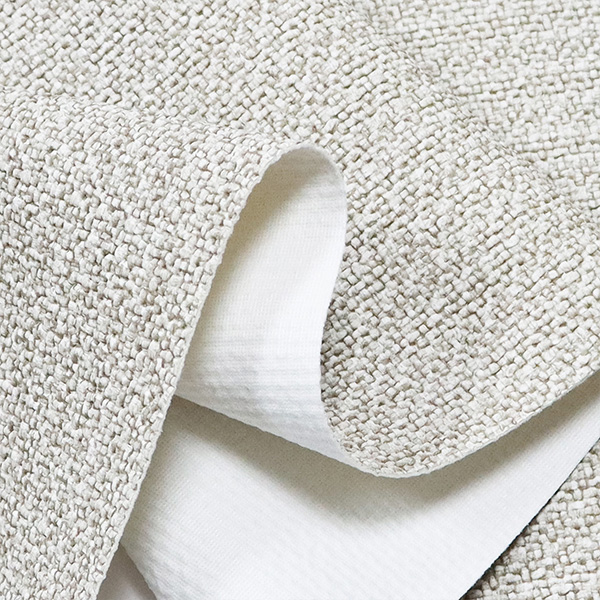
Microfiber Silicone Car Interior Leather Material


What Is Silicone Leather and How Is It Different From Conventional Leather?

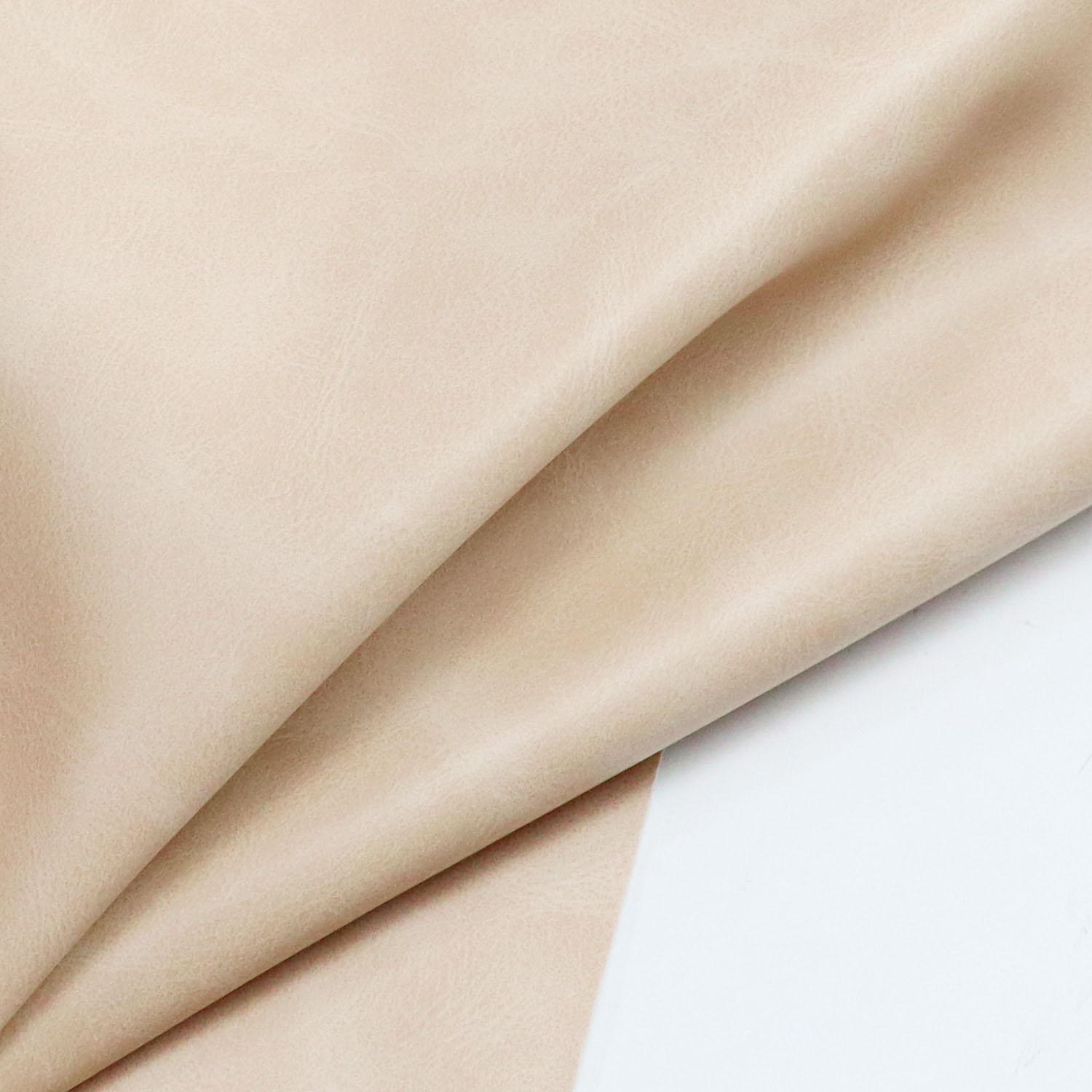
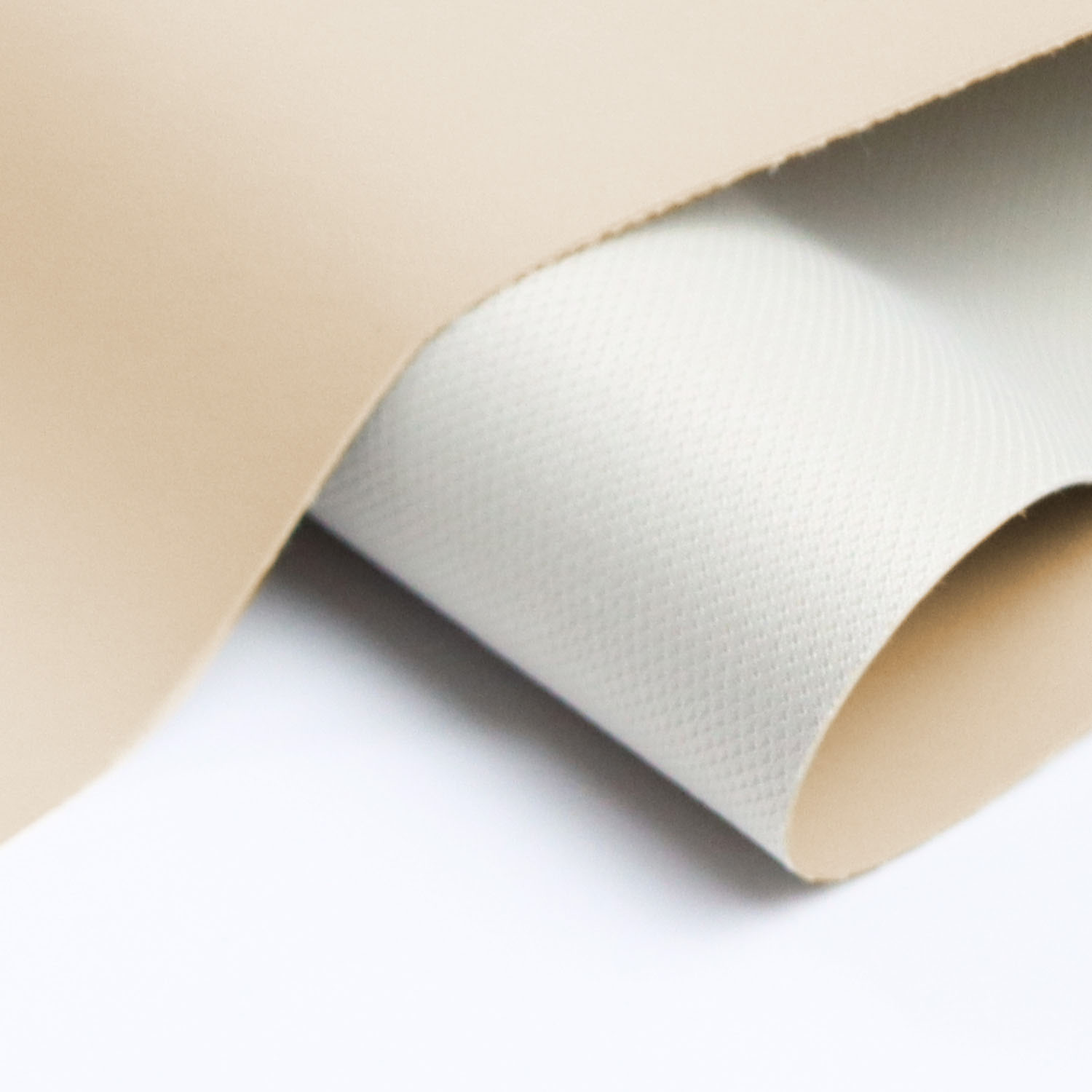
Silicone Leather is a synthetic surface material produced by applying a specially formulated silicone polymer coating onto a textile or non-woven base substrate. The result is a material that closely mimics the appearance, texture, and flexibility of natural leather while incorporating a set of functional properties that go well beyond what animal hide can offer.


To understand why this distinction matters, it helps to look at how conventional leather behaves over time. Animal hide, no matter how well it is tanned and treated, contains organic proteins and natural fibers that are inherently vulnerable to moisture, UV radiation, temperature extremes, microbial growth, and repeated mechanical stress. The tanning process attempts to stabilize these proteins, but the underlying biology of the material places firm limits on its durability and chemical resistance.


Our material at ZHIGAO begins from an entirely different foundation. Silicone polymers are inorganic in structure, which means they do not support bacterial or fungal growth, do not absorb moisture, and do not break down under UV exposure the way organic materials do. The silicone surface is also non-porous, which makes it exceptionally easy to clean and highly resistant to staining.


Key distinctions between Silicone Leather and conventional animal hide include:

  • No organic proteins means no risk of hydrolysis or biological degradation over time
  • The silicone surface layer is inherently waterproof, requiring no additional treatments or coatings
  • Temperature stability ranges from -40 degrees Celsius to over 200 degrees Celsius without cracking or deformation
  • The material contains no heavy metals, no PVC, no DMF solvent residues, and no phthalates
  • Surface texture, grain pattern, gloss level, and color are all controlled precisely during manufacturing
  • Consistent quality is maintained across every production roll, eliminating the natural variation inherent in animal hides


These differences are not merely academic. For product designers working in industries where safety certification, consistent color matching, and long-term durability are non-negotiable requirements, the controlled nature of our Silicone Leather offers a level of reliability that natural leather cannot provide.


How Is Silicone Leather Manufactured and What Makes It Technically Superior?

The manufacturing process behind high-quality Silicone Leather is considerably more complex than it might appear from the surface. At DONGGUAN ZHIGAO LEATHER CO., LTD, our production follows a multi-stage process that combines advanced polymer chemistry, precision calendering equipment, and rigorous quality inspection to produce a material that meets or exceeds international performance standards.


The Core Production Process

Our manufacturing workflow involves the following primary stages:

  • Substrate preparation: A high-tenacity woven or non-woven textile base is selected based on the intended end-use. The substrate determines the material's tear resistance, stretch characteristics, and overall weight per square meter.
  • Silicone compound formulation: Our technical team formulates the silicone polymer blend according to the target specifications. Additives are introduced at this stage to achieve specific properties such as flame retardancy, anti-microbial resistance, increased UV stability, or softness modifiers.
  • Coating and lamination: The silicone compound is applied to the substrate using precision calendering or knife-over-roll coating techniques. This step controls the thickness of the silicone layer to within very tight tolerances.
  • Embossing and texturing: Heated embossing rollers imprint grain patterns onto the silicone surface. Our factory maintains an extensive library of grain patterns, from fine-grain full-grain leather replicas to exotic skin textures and custom designs.
  • Coloring and finishing: Surface color is applied using stable, light-fast colorants that are bonded into the silicone matrix rather than sitting on the surface. A final topcoat is applied to achieve the desired gloss level and surface feel.
  • Quality inspection and testing: Every production batch undergoes a battery of physical, chemical, and safety tests before it is approved for shipment.


What makes this process technically superior is the degree of control it allows. Every variable, from coating thickness to embossing depth to surface hardness, can be adjusted with precision. This is not possible with animal hide, where natural variation between individual skins means that even hides from the same tannery batch can differ significantly in thickness, grain consistency, and tensile strength.


What Are the Core Product Specifications and Performance Parameters?

Our product line covers a broad range of specifications to serve different markets and application requirements. The following tables summarize our standard product parameters. Custom specifications are available upon request and our technical team works closely with clients to develop materials tailored to their exact needs.


Standard Physical and Mechanical Parameters

Parameter Standard Value Test Method
Total Thickness 0.5 mm - 2.5 mm (customizable) ISO 2589
Weight per Square Meter 280 g/m2 - 650 g/m2 ISO 2420
Tensile Strength (Warp) greater than 350 N/cm ISO 3376
Tensile Strength (Weft) greater than 300 N/cm ISO 3376
Tear Resistance greater than 80 N ISO 3377
Elongation at Break 30% - 120% (substrate dependent) ISO 3376
Flex Resistance (Dry) greater than 200,000 cycles (no cracking) ISO 5402
Flex Resistance (Wet) greater than 100,000 cycles (no cracking) ISO 5402
Abrasion Resistance greater than 50,000 cycles (Martindale) ISO 12947


Thermal and Environmental Performance

Property Performance Range Notes
Operating Temperature Range -40 degrees C to +200 degrees C No cracking, delamination, or color change
UV Resistance Grade 4-5 (ISO 105-B02) 500+ hours Xenon arc exposure
Water Absorption less than 1% by weight 24-hour immersion test
Hydrolysis Resistance Pass (70 degrees C / 95% RH / 7 weeks) No delamination or surface degradation
Mold and Bacteria Resistance Pass ASTM G21 / ASTM G22 Non-porous silicone surface inhibits growth
Flame Retardancy Optional: FMVSS 302 / UL94 V-0 Available as a standard option on request

Safety and Chemical Compliance

Compliance Standard Status
REACH Regulation (EU) Compliant - no SVHC substances above threshold
RoHS Directive Compliant - no restricted heavy metals
OEKO-TEX Standard 100 Available on selected product lines
PVC Content Zero - 100% silicone surface
DMF Solvent Not used in production process
Phthalate Plasticizers Not present
FDA Food Contact Suitability Available for specific food-grade grades

Why Is Silicone Leather Replacing Animal Hides Across Major Industries?

The shift away from animal hides toward engineered alternatives like Silicone Leather is being driven by a convergence of factors: regulatory pressure, consumer values, performance requirements, and supply chain economics. Understanding each of these drivers helps explain why this transition is accelerating rather than slowing down.


Regulatory and Compliance Pressure

Legislation targeting harmful chemicals in materials used in consumer products has tightened substantially over the past decade. The European Union's REACH regulations restrict dozens of substances that are commonly found in traditionally tanned leather and PVC-based synthetic alternatives. Our Silicone Leather is formulated to comply with these regulations without requiring expensive reformulation or additional testing.


Performance Advantages That Drive Adoption

Beyond compliance, the practical performance of Silicone Leather in demanding applications simply outperforms what animal hide can deliver:


  • Automotive seating applications require materials that resist cracking in extreme heat and cold, resist UV fading from sunlight exposure, and tolerate repeated cleaning with commercial-grade products. Our material meets all of these requirements as a standard product characteristic, not as an optional upgrade.
  • Healthcare and medical upholstery applications demand surfaces that can be disinfected repeatedly with harsh chemical agents including bleach-based solutions and alcohol-based sanitizers. Animal leather degrades rapidly under these conditions. Our factory's Silicone Leather maintains its appearance and structural integrity through thousands of disinfection cycles.
  • Outdoor furniture and marine applications expose materials to continuous UV radiation, saltwater, rain, and temperature cycling. Silicone Leather performs reliably under all of these conditions without the waterproofing treatments, conditioning products, or periodic refinishing that animal hide requires.
  • Electronics and wearable technology applications require materials that are both visually appealing and safe for extended skin contact, particularly in regions with warm and humid climates. Our material does not absorb sweat, does not harbour odour-causing bacteria, and does not cause skin irritation reactions associated with residual tanning chemicals.


Supply Chain Consistency and Cost Predictability

Animal hide is a commodity whose availability and price are tied to livestock markets, drought cycles, disease outbreaks, and regional trade policies. Our production at DONGGUAN ZHIGAO LEATHER CO., LTD is based on industrial silicone polymers whose supply is stable, whose pricing is predictable, and whose quality is consistent roll to roll and year to year.


What Industries and Applications Benefit Most From Silicone Leather?

Our Silicone Leather is used across a remarkably diverse range of industries. The common thread connecting all of these applications is a need for materials that combine aesthetic quality with reliable functional performance over a long service life.


Primary Industry Applications

Industry Sector Typical Applications Key Performance Requirements
Automotive Seat covers, door panels, steering wheel wraps, headliners, dashboards Heat resistance, UV stability, FMVSS 302, fogging resistance
Healthcare and Medical Examination table covers, hospital bed upholstery, wheelchair cushion covers Chemical disinfection resistance, anti-microbial surface, easy-clean
Fashion and Accessories Handbags, wallets, belts, shoe uppers, watch straps Colorfastness, soft hand feel, crease recovery, edge finishing
Furniture and Interior Sofa upholstery, office chair seating, wall paneling, decorative surfaces Abrasion resistance, flame retardancy, breathability options
Outdoor and Marine Boat upholstery, outdoor furniture, awning trim Saltwater resistance, UV stability, mold resistance, waterproofing
Sportswear and Equipment Gym equipment padding, ball panels, protective gear, bag panels Grip texture, sweat resistance, lightweight construction
Electronics and Wearables Smartwatch bands, laptop sleeves, tablet cases, earphone cushions Skin-safe certification, durability, thin profile, precise color


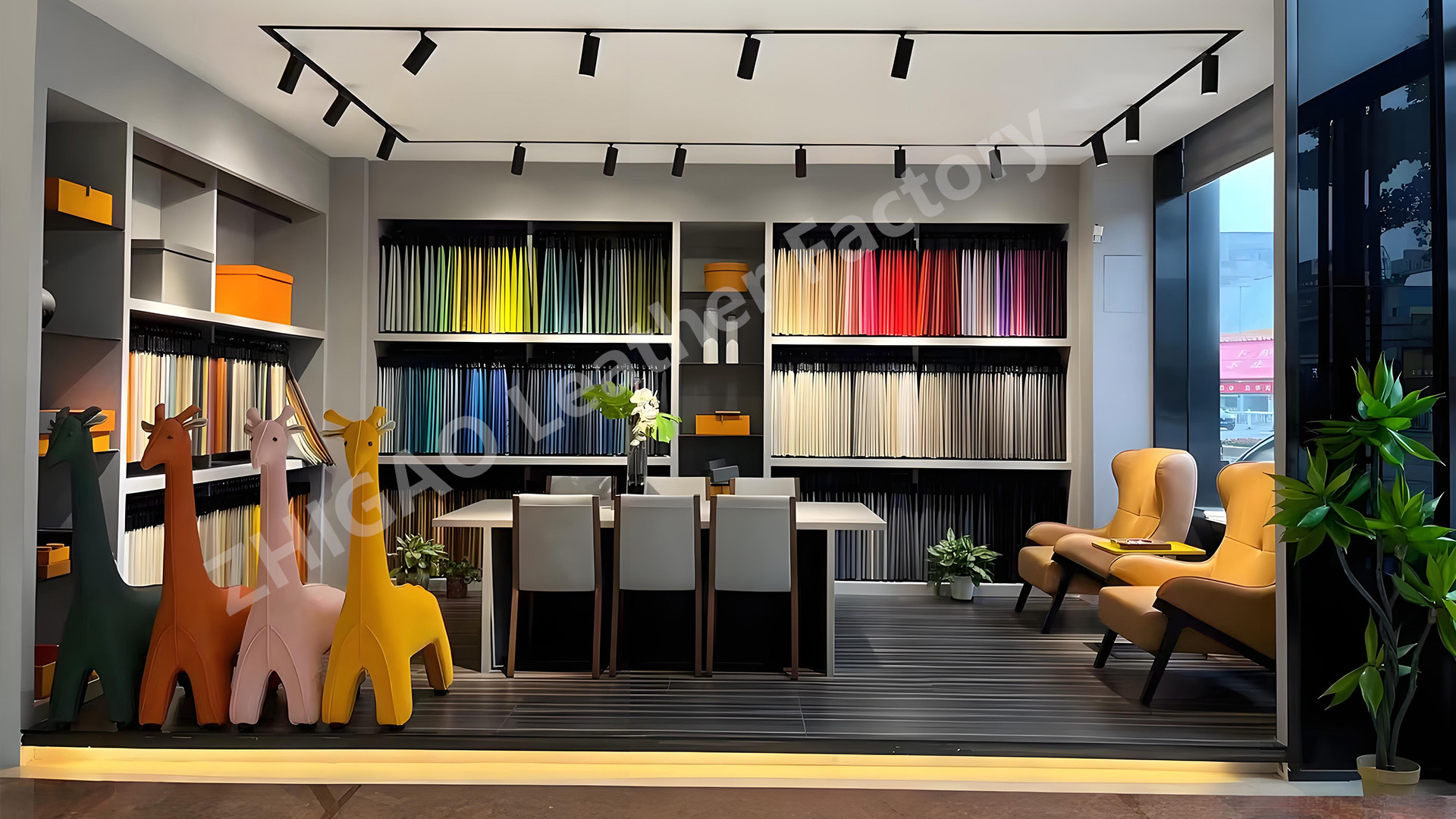
For each of these sectors, our team provides application-specific product recommendations and can supply sample books, technical data sheets, and test reports to support the evaluation and approval process.


How Does Silicone Leather Support Sustainability and Ethical Manufacturing?

Sustainability is no longer a niche concern for a small segment of buyers. It has become a mainstream evaluation criterion across procurement departments in automotive, fashion, furniture, and consumer goods manufacturing. Our approach to sustainability at DONGGUAN ZHIGAO LEATHER CO., LTD is built into our production process rather than added as a marketing afterthought.


Environmental Advantages Over Animal Leather Production

The conventional leather tanning industry carries a significant environmental burden. Chrome tanning, which accounts for the majority of global leather production, generates heavy metal-laden wastewater that requires intensive treatment before it can be safely discharged. Livestock farming for hide production is a major contributor to greenhouse gas emissions, land use change, and freshwater consumption. These are systemic issues that cannot be resolved through incremental improvements to existing tanning technology.


Our Silicone Leather avoids these issues at the production level:

  • No livestock farming or slaughterhouse operations are required at any point in our supply chain
  • No chrome tanning chemicals, aldehyde fixatives, or other hazardous tanning agents are used in our manufacturing process
  • Our production facilities operate solvent-free coating lines, eliminating the volatile organic compound emissions associated with traditional synthetic leather manufacturing
  • Silicone polymers have an exceptionally long service life, meaning products made from our material require replacement less frequently, reducing material consumption over time
  • Our factory operates under an ISO 14001 environmental management system, with documented targets for energy efficiency, water conservation, and waste reduction


Longevity as a Sustainability Factor

One aspect of sustainability that is often overlooked in material comparisons is product longevity. A material that lasts three times as long as its alternative effectively reduces material consumption by two-thirds over a given time period. Our Silicone Leather consistently outlasts both animal hide and PVC-based synthetic leather in real-world use conditions, particularly in applications involving UV exposure, moisture, and repeated cleaning. This longevity is not an incidental benefit but a core design objective that our technical team builds into every product formulation.


Conclusion

The rise of Silicone Leather is not a trend driven by fashion or marketing. It reflects a fundamental shift in what manufacturers, designers, and end users expect from surface materials. Consistent performance across extreme conditions, freedom from hazardous chemical residues, a stable and predictable supply chain, and a demonstrably lower environmental footprint are requirements that are reshaping purchasing decisions across dozens of industries simultaneously.


At DONGGUAN ZHIGAO LEATHER CO., LTD, our investment in silicone material technology spans more than a decade of research, production refinement, and customer collaboration. Our Silicone Leather products are used by clients in the automotive, healthcare, fashion, furniture, and outdoor industries across more than 30 countries. Our factory maintains strict quality control, complete regulatory compliance documentation, and a responsive technical support team that works with clients from initial material selection through to final product qualification.


Whether our clients are looking for a direct replacement for animal hide in an existing product, developing a new product line that demands materials conventional leather cannot support, or seeking to meet new sustainability commitments without compromising on quality or aesthetics, our product range has a solution.

Ready to Upgrade Your Materials?

Contact DONGGUAN ZHIGAO LEATHER CO., LTD today to request product samples, technical data sheets, and pricing for our full Silicone Leather range. Our technical team is available to assist with material selection, application testing, and custom specification development. Let our factory help you build products that perform better, last longer, and meet the sustainability standards your customers and regulators expect.

Send us your requirements and receive a sample pack within 5 business days.


FAQ - Frequently Asked Questions About Silicone Leather

Q1: What exactly is Silicone Leather made of, and is it safe for direct skin contact?
Silicone Leather is composed of a silicone polymer surface layer bonded to a textile or non-woven fabric substrate. The silicone used in our products is a high-molecular-weight polydimethylsiloxane compound, the same family of materials used in medical-grade implants, food contact packaging, and baby care products. It contains no heavy metals, no phthalate plasticizers, no PVC, and no solvent residues such as DMF. For direct skin contact applications such as watch straps, wearable device bands, and seating upholstery, our material can be supplied with OEKO-TEX certification or FDA food-contact grade documentation depending on the specific application requirements. People with sensitivities to residual tanning chemicals in natural leather often find silicone-based surface materials more comfortable for prolonged skin contact.
Q2: How does Silicone Leather compare to PU leather and PVC leather in terms of durability and safety?
This is one of the most important distinctions for buyers to understand. PU leather uses a polyurethane coating on a fabric base and is generally free from PVC, but it is inherently vulnerable to hydrolysis, a chemical breakdown reaction triggered by heat and humidity that causes the surface to crack, peel, and disintegrate over time. This is the peeling and flaking failure mode that many consumers have experienced with synthetic leather products. PVC leather contains chlorinated polymer compounds and typically requires phthalate plasticizers to remain flexible, both of which raise serious health and environmental concerns. Silicone Leather does not hydrolyze, does not require plasticizers, and does not contain chlorinated compounds. Its service life in demanding applications such as automotive seating, healthcare upholstery, and outdoor furniture is substantially longer than either PU or PVC alternatives. In independent accelerated aging tests simulating years of real-world use, our Silicone Leather maintains its appearance and structural integrity where PU leather products show visible degradation within the same test period.
Q3: Can Silicone Leather be customized in terms of color, texture, thickness, and surface finish?
Full customization is one of the core capabilities that DONGGUAN ZHIGAO LEATHER CO., LTD offers to its clients. Color matching is achieved through our in-house color laboratory, which can match Pantone references, RAL codes, or physical color samples submitted by the client. Surface texture options include smooth, matte, semi-gloss, high-gloss, full-grain leather replica patterns, fine-grain patterns, exotic skin textures such as crocodile and ostrich grain, and fully custom embossed patterns developed to client specifications. Thickness can be specified between 0.5 mm and 2.5 mm in standard configurations, with further customization available for specialty applications. Substrate options include woven polyester, knitted fabric, non-woven polyester, and stretch fabrics for applications requiring elasticity. Surface hardness, grip level, and softness can also be adjusted through our compound formulation. For clients with large volume requirements, our factory can develop exclusive material specifications that are held solely for that client and not offered to other customers.
Q4: What certifications does Silicone Leather from your factory carry, and how can buyers verify compliance?
Our standard product range is manufactured in compliance with REACH, RoHS, and California Proposition 65 requirements. Complete test reports from accredited third-party laboratories including SGS, Intertek, and Bureau Veritas are available for review upon request. For specific industry sectors, we maintain additional certifications including FMVSS 302 flame test compliance for automotive applications, OEKO-TEX Standard 100 certification for textile and fashion applications, and ISO 9001 quality management system certification for our overall production facility. Our factory's environmental management system is certified to ISO 14001. For buyers in the European Union, we provide full REACH substance declarations and SDS documentation for all raw materials used in our production. We encourage clients to conduct their own independent factory audits and third-party material testing as part of their supplier qualification process, and we welcome such audits at our facility in Dongguan, Guangdong Province, China.
Q5: What is the minimum order quantity for Silicone Leather, and what lead times should buyers expect?
For standard in-stock colors and textures from our regular product catalogue, our minimum order quantity is 300 linear meters per color per item. Lead time for standard products is typically 7 to 15 business days from order confirmation to shipment. For custom color development, a color confirmation sample is produced within 5 to 7 business days, and production lead time following color approval is 15 to 25 business days depending on order volume and current production scheduling. For large volume orders requiring dedicated production runs or exclusive specifications, lead times and minimum quantities are discussed on a project basis. Sample requests for evaluation purposes are fulfilled within 5 business days and can include multiple colors, textures, and thickness options to allow thorough material evaluation before a production order is placed. Our sales and technical team at DONGGUAN ZHIGAO LEATHER CO., LTD provides full support throughout the sampling and approval process to ensure that the material selected precisely matches the requirements of the intended application.
Related News
Leave me a message
X
We use cookies to offer you a better browsing experience, analyze site traffic and personalize content. By using this site, you agree to our use of cookies. Privacy Policy
Reject Accept